Monday, 3 June 2019

How to help someone having a panic attack

If someone you care about is experiencing panic attacks, it can be very difficult to know how to help. Especially if you are with them when they have a panic attack, you may not know what to do or what to say to help them calm down.

Here we’ll talk you through some of the ways you can support them.


Learn more about their condition

Having a better understanding of what it is they’re going through can be immensely helpful for both you and them. Without knowing how anxiety works, it can be difficult to understand why your loved one reacts the way they do in certain situations.

The great news is, you’re in the right place! Being here and reading this shows a great commitment to helping your loved one. We have more information here on anxiety.

Help them find support

When someone is struggling with anxiety, the idea of reaching out to a professional can feel overwhelming. Offering your support here could help them make this vital step. You could show them the information you’ve found and see if they want assistance searching for a hypnotherapist, or you could help them make a doctor’s appointment.

Let them know that help is available and that there are several different approaches out there. Avoid pressuring them however and remember, it is ultimately up to them if and when they do seek help. Gentle encouragement and support is key.

What to do when they have a panic attack

If you suspect they are experiencing a panic attack, there are a few things you could try. Of course, if you are in any doubt and are worried it could be a physical problem, don’t hesitate to call for medical assistance.

  • Try to stay calm yourself and remember, panic attacks cannot harm them.
  • Gently remind them that this is a panic attack and that you are there for them.
  • Encourage them to focus on their breathing. Try breathing with them – slowly, deeply and gently (over-breathing can make things worse). You can also count out loud or tell them to watch your arm as it moves up and down.
  • Get them to engage their physical senses by stamping their feet on the ground.

After the worst part is over, encourage them to sit quietly until they feel better. It may help to play some calming music too.

Look after yourself

It can be easy to forget about yourself when someone you care for is struggling, but you know the saying “You cannot pour from an empty cup”? Well, it’s true – if you stop looking after yourself you’ll feel tired, stressed and may end up unwell yourself. Ensure you have someone to talk to, include relaxation into your routine and don’t hesitate to seek support yourself.

How to help a child having a panic attack

Children may not understand the complexities of anxiety and panic attacks, so experiencing these issues can be very distressing. If your child experiences a panic attack, there are ways you can help. Below is an article from Happiful magazine that may help:

7 ways to help a child who is having a panic attack


Simply letting the person struggling know you’re there for them can make a huge difference. Taking the time to learn about what they’re dealing with, listening to them and gently encouraging them to get further support all goes a long way.

Thursday, 9 May 2019

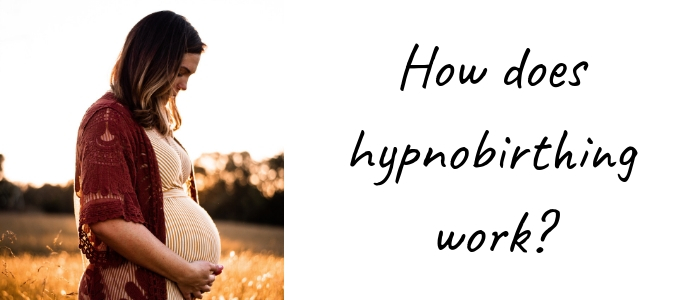
How does hypnobirthing work?

How-does-hypnobirthing-work-

We were thrilled to hear that Prince Harry and Meghan Markle have welcomed their son to the world and were even more thrilled to discover that Meghan may have used hypnobirthing techniques during labour.

A popular approach from the Royals (it was rumoured that the Duchess of Cambridge, Kate Middleton, used the technique too), hypnobirthing aims to reduce tension and stress during labour, both of which can make delivery difficult.

Using self-hypnosis, breathing techniques and a shift in mindset, hypnobirthing combines a number of techniques to make birth a more positive experience for parents. We speak to clinical hypnotherapist Abigail Rogers to find out more.


Hi Abigail, can you briefly explain what the aim of hypnobirthing is?

Hypnobirthing focuses on reducing the anxiety around birth as much as possible and learning to enter a state of deep relaxation. During birth, this allows our subconscious mind to relax and take over the process as it’s naturally designed to do, rather than our fear ‘fight or flight’ response kicking in.  

What are the benefits of hypnobirthing?Hypnobirthing-quote

When we’re able to remain calm and relaxed in labour, we produce beneficial birth hormones like oxytocin and endorphins (natural painkillers) which, in turn, help the body relax and do what it needs to do as quickly and comfortably as possible.

Hypnobirthing women tend to report that their labours are calmer, faster, less traumatic and they seem to require fewer medical interventions – it often seems to lead to calmer babies and better outcomes for postnatal mental health, as well!

Can you tell us about your personal experience with hypnobirthing?

I gave birth to my first son three weeks after completing my training in hypnotherapy – so I was able to use my own hypnobirthing relaxation track, along with my knowledge of the psychology and physiology of birth to create my own hypnobirthing ‘programme’ for his birth.  

Sure enough, it was very quick and straightforward and we get lots of comments on what a calm and happy little boy he is! I’m looking forward to the arrival of our second baby, any time now, and will definitely be hypnobirthing again – in fact, it’s really helped me stay calm and well throughout pregnancy so has already paid off!


Hypnobirthing is a versatile technique that works with most birth plans and encourages partners to take an active role too. This can be a lovely way of involving both parties in the birth. The relaxation techniques can also be practised before birth, helping to reduce anxiety and tension in the time leading up to the birth.

While hypnobirthing won’t necessarily make the experience of delivering a baby pain-free, it gives your body and mind a great chance to feel calm, in control and entirely capable.

Every parent is different and what’s important is for you to find an approach to childbirth that suits you. Explore your options and see what resonates with you and what feels good as a family.

Monday, 1 April 2019

How hypnotherapy can support recovery from alcohol addiction

hypnotherapy for alcohol addiction

Acknowledging that you misuse alcohol is a big step and one that should be commended. Addiction is complicated but can be overcome. The first port of call for many is a trip to the doctors where advice can be given.

Treatment for alcohol addiction often involves looking at what may have caused your addiction as well as creating management techniques to stay sober. Support groups can be a big help here. Talking to others who can relate to your experiences and having the opportunity to share tips and tricks can be incredibly valuable.

Talk therapies like cognitive behavioural therapy may also be recommended to help you gain more insight into your thoughts and behaviours. Hypnotherapy is another tool you can add to your arsenal, helping to change unhealthy habits and keeping you focused on your recovery.

What is hypnotherapy?

This approach works on a subconscious level, helping to alter negative thought patterns and change behaviour. In a typical session, your hypnotherapist will help you settle into a state of hypnosis (deep relaxation). Once you’re in this state, your subconscious will be more open to suggestion. At this point, your hypnotherapist can offer more positive suggestions to help you break negative habits.

This is just one example of how hypnotherapy can be used, other techniques such as regression may also be used to help you understand where and when your addiction first formed. Having a greater understanding of what lead you to have an unhealthy relationship with alcohol can be integral to your recovery.

Rather than just trying to ‘stop drinking’, hypnotherapy looks at the root of the problem and help change deep-seated behaviours.

“Hypnosis reaches into your mind and puts in suggestions that help you break the addiction at the source. While the body does carry a physical addiction that demonstrates itself through cravings, hypnosis can help reduce the sensations so that it becomes easier to resist alcohol.”

Alcohol addiction and how to combat it with hypnosis by Biodun Ogunyemi ANLP, BNLP, SNLP, C.H, Dip.Hyp

Hypnotherapy for alcohol addiction

How can it support recovery?   

Hypnotherapy during your recovery can help to reinforce the changes your making and help you avoid drinking. During your recovery, you may also find your addiction triggers come up. For example, if stress contributed to the development of your addiction, you’ll need to be mindful of your stress levels when in recovery.

Hypnotherapy for stress can help here, helping you feel more relaxed, calm and in control. Often hypnotherapists will teach you self-hypnosis, so you can use the techniques you’ve learnt to reduce stress outside of the session.

If you used to rely on alcohol to feel confident when socialising, going out again whilst in recovery can feel daunting. Again, this is something hypnotherapy can help with. Helping to combat negative self-talk and instil self-belief on a subconscious level, find a hypnotherapist who can help with confidence.  

When it comes to addiction recovery, it’s all about taking small steps forward and figuring out what approach works best for you. If you’ve never considered hypnotherapy before – learn more about it and book a consultation with a hypnotherapist. They’ll be able to talk you through the process and outline how they can support you.

Friday, 1 March 2019

Coping with night time anxiety

night-time-anxiety

Those with anxiety will be well aware of the way the condition can cause thoughts to spiral and consume. Moving at a dizzying pace, these anxious thoughts can lead to physical symptoms such as chest pain, heart palpitations and nausea. It’s no wonder then, that when anxiety strikes at night, sleeping can feel impossible.

Night-time anxiety can be triggered by the thought of a busy day tomorrow, a conversation that happened earlier in the day or even the fear of not getting enough sleep (for people with insomnia, feeling anxious about sleep itself is common).

Sleeping generally requires a calm mind and a tired body. With anxiety, adrenaline pumps around the system waking both body and mind. You may find yourself fidgeting in bed, tossing and turning while your mind races.

If this scenario sounds similar, please know that you’re not alone. In the depth of night, it can feel like you’re totally isolated, but many people struggle with this and there are ways to cope.

If you haven’t spoken to your doctor about your anxiety already, this should be your first port of call. They will be able to guide you and offer different treatment options. Speaking to a professional can help you cope better with anxiety in general and may well lessen your night time anxiety.

Below we’ve put together a few self-help steps to try when anxiety is keeping you up at night.


Do some deep breathing / meditation / self-hypnosis

When we’re feeling stressed, we take shallow breaths and this can cause physical symptoms of anxiety like dizziness and chest pain. Try deepening your breath and focus on breathing from your belly.

Breathing out for slightly longer than you breathe in helps you to physically calm down and often this can calm your thoughts too. Meditation and self-hypnosis can also help here, anything that encourages you to be mindful and relaxed.

Try progressive muscle relaxation

This is a popular technique to encourage relaxation and can be particularly helpful if you’re feeling agitated. Focus on one muscle group at a time, from head to toe, tensing your muscles before letting them relax. This combined with some deep breathing should help you to feel calmer.

If this doesn’t work…

Get out of bed

Lying in bed, wide-awake and worrying night after night will eventually cause you to link the two in your mind. You’ll associate your bed with worrying and being awake. To break this association, get out of bed when you’re struggling to drop off and go into another room.

Keep the lighting low and avoid looking at screens. As tempting as it may be to catch up with your social media feeds, devices like your phone and laptop emit blue light which will keep you awake.

Write it out

Instead of scrolling on your phone, try getting a pen and some paper to write about how you’re feeling and what you’re worried about.

Often writing about a problem helps you figure out what action you can take, or (if there is no action you can take) it can help you let the thought go.

Write whatever comes to your mind and keep going until you feel it’s out of your head and see if you feel ready to try going back to sleep.

Read

Reading is a tried and tested way to help you feel ready for sleep. Get comfortable on the sofa and read some fiction. Avoid anything related to work as this may get your mind whirring and that’s not what you want for a peaceful night’s sleep. Fictional stories provide gentle escapism without stimulating the mind too much.

When you feel sleepy again, get back into bed and…

Listen to a podcast / relaxing music

If you struggle to get to sleep in silence, try listening to a podcast or some relaxing music. We love Calm’s sleep stories. Having a soothing voice in your ear telling a story can help you shut out your internal chatter and drop off to sleep.


How hypnotherapy can help

Hypnotherapy is a tool to help change habits and unhelpful ways of thinking. It involves a hypnotherapist putting you into a state of hypnosis (very deep relaxation). In this state, your subconscious is more open to suggestion and your hypnotherapist can use techniques to help change thought patterns (for example that night time is an anxious time).

Many people find hypnotherapy helpful for both anxiety and insomnia. Your hypnotherapist may also teach you self-hypnosis which you can use outside of sessions when you’re struggling to sleep.

Tuesday, 5 February 2019

Hypnotherapy for tinnitus – how can it help?

Someone with tinnitus will experience noises in one or both of their ears. These noises can be ringing, whistling, buzzing or even humming. For some, the sound is ongoing and persistent, for others it comes and goes.

There are many reasons why someone may develop tinnitus, including damage to the inner ear and general hearing loss. If you think you have tinnitus, going to your doctor is your first port of call. They will be able to diagnose you, check for medical causes and offer advice/treatment options.

Treatments offered will generally be geared toward helping you cope with the symptoms. The nature of tinnitus can make it difficult to live with, especially if the noise is continuous. You may find it causes you a great deal of stress and even anxiety. Stress itself can’t cause tinnitus, but it can make symptoms worse and harder to cope with.

Therapies such as cognitive behavioural therapy, sound therapy and tinnitus retraining therapy may be recommended to help you cope with these symptoms. Another treatment that people are turning to for support is hypnotherapy.

The aim of hypnotherapy for tinnitus is to help you change your response to tinnitus, so your stress and anxiety response isn’t triggered. Putting you into a state of deep relaxation, your hypnotherapist will be able to communicate with your subconscious to encourage a more positive response.

Alongside this, many people find hypnotherapy a helpful tool for reducing stress and anxiety in general which can help ease symptoms of tinnitus, making it that much easier to cope with. Helping to reduce any hypervigilance you may have developed surrounding your tinnitus too, hypnotherapy can essentially help you tune out the sound more easily.

Talking to other people who experience tinnitus can also be a big help. The British Tinnitus Association have a helpline you can call if you need support, call them on 0800 018 0527 any time between Monday – Friday, 9:00 AM – 5:00 PM if you need to talk.

If you want to try hypnotherapy, you can use our advanced search team to find a hypnotherapist in your area and book a consultation.

Monday, 4 February 2019

Hypnotherapy to overcome fear of rejection

Being rejected is something many of us fear. Whether it’s in a social context or at work, if this fear becomes too intense, it can hold us back. Maybe this fear stops you from going for that promotion at work, or perhaps it’s stopping you from putting yourself ‘out there’ romantically?

If this is something you can relate to, know that you are certainly not alone and there is support available. Hypnotherapy is often used for fears and phobias, but can it help with a fear of rejection?

We speak to Will Aylward who tells us his experience of hypnotherapy for fear of rejection and how it’s inspired him to train to become a hypnotherapist.

When did you start to realise you had a fear of rejection?

I first realised I had a fear of rejection when I started my business four years ago. There were certain activities and actions I was willing to take, in my comfort zone, and others that seemed too scary – for example, writing a book.

What gave you the idea to try hypnotherapy?

I had previous success using hypnotherapy to manage anxiety and this gave me the idea to try it for fear of rejection. What initially interested me was learning how many celebrities, athletes and other people at the top of their game were using hypnosis to help them.

Did hypnotherapy work for you?

Hypnotherapy has certainly worked for me. I genuinely feel more in control, calmer and confident since discovering hypnosis. For me, it’s safe, powerful and relaxing.

Why did you decide to train to become a hypnotherapist?

I’ve decided to train as a hypnotherapist as I believe in its power for helping people. I work as a coach currently so I’m excited to have hypnosis as another powerful tool in my toolbox to facilitate positive change in my clients.


Wondering whether or not your fear of rejection could be helped with hypnotherapy? We ask hypnotherapist Caroline Evans to explain further.

How do you start noticing the fear of rejection?

Fear of rejection is a symptom that derives from anxiety. When a person’s anxiety rises, some of the symptoms could be increased heart rate, hot or cold flushing, stomach churning or panic attacks – classic symptoms of our flight or fight response. The anxiety is caused by our own negative thoughts, maybe a lack of confidence in certain areas of our life or low self-esteem. This can cause us to avoid situations altogether as we negatively forecast the outcome before the event has taken place.

How can hypnotherapy help with fear of rejection?

The fear of rejection is a thought or template that sits in our primitive, emotional, subconscious mind. The subconscious mind holds our emotions, memories and inappropriate behaviour patterns.

The fear might block your natural and infinite strengths and resources and make you hesitant to take action, preventing you from reaching your goals.

Hypnotherapy uses trance or deep relaxation to relax the body and mind. While relaxed the subconscious is open to positive suggestions which can develop fresh neural pathways.

The process calms down the nervous system and helps you to integrate the positive suggestions into your life. To change the ‘bad habits’, we’re engaging both parts of our mind.

Solution-focused hypnotherapy uses positive psychotherapy on the conscious mind to reset your goals and clinical hypnosis to access the subconscious mind when in trance. This allows both minds to work together in unison for the same successful result.

Do you have any advice or tips for those that might be struggling with fear of rejection?

For those who suffer from a fear of rejection, it’s important to understand that the feeling of anxiety associated with it may be born from low confidence levels or limiting belief in ourselves.

Tips to help in the situation would be:

  • Taking time to slow down and relax which restores your capacity for objectivity. Either using deep breathing techniques, meditation or yoga or just a walk in the park.
  • Relaxation slows down the heart rate, reduces blood pressure and slows down breathing.
  • Relaxation allows the amygdala – which operates our flight or fight response – to come off high alert and rest.
  • Seek help, maybe from a hypnotherapist who can help you to slow down and relax. This encourages you to be more aware of your thoughts and feelings, instead of being overwhelmed, so you can better manage them. Once we learn to relax and drop our limiting beliefs, we can then move into an area of possibilities and realise that we are all capable of remarkable things.

Friday, 21 December 2018

Overcoming a balloon phobia with hypnotherapy

I grew up with an acute phobia of balloons, fireworks, motorbikes etc. loud noises in general that I felt my ears couldn’t cope with. Whilst most faded, the phobia of balloons has become more intense as I have grown up. The unpredictability, the smell, the delicateness; all things I actively loathed about balloons could bring on a panic attack, even someone mentioning the word could make me very uncomfortable.

At 27, my phobia is often laughed at, scoffed at and dismissed as silly, so it was time to try a new tactic with different support. Christmas in particular is a time where I am very aware of my phobia, so I decided to visit my hypnotherapist Ruth.

“The first step with all clients is trying to thoroughly understand their struggles. A positive therapeutic relationship is one of the keys to successful results and is something I quietly work hard to achieve. In this instant, the foundations were already in place. Often people are ashamed and embarrassed about having a phobia. Some go to extreme lengths, avoiding and manipulating situations to ‘manage’ their phobia. When a client comes to me asking for help, it is the first big step in a journey to an easier, more comfortable life.” Ruth Hazeldine, Dip.Hyp, HDP, MNCH

What’s the difference between phobia and fear?

A phobia is often described as an irrational, learned fear that stems beyond being afraid of something. The heightened sense of anxiety can often physically paralyse its victim and no amount of rationalisation can quell the intense feelings of anxiety, fear and often anger. For example, I am slightly scared of spiders but I am able to remove them from my house with relative ease. With my phobia of balloons, the feelings would be so strong that I physically could not enter the room.

What the phobia represents

Symbolism can be key in addressing phobias. It can be that you simply don’t like something that can evolve into a phobia, or there can be a trigger. Identifying my trigger was useful in looking for a ‘why’ in a seemingly irrational situation. In my former self, a balloon bursting was unpredictable and dangerous. If it was too close to my head, my ears would burst and the material would sting my face. It was about protection.

When my mother was pregnant with me, she lived next to a volatile neighbour who used starting pistols and fireworks in his garden on regular occasions. As surmised by my doctor, this could well have been the trigger of my phobia, I was a child picking up on my mother’s stress. Even in the womb, I recognised these noises as a signal of danger or stress. This meant that I grew up feeling the need to protect myself from balloons and their unpredictability.

Once I had identified my trigger and unpacked this with Ruth, we looked at my goal situation. She said, I help clients to describe their goals. That might sound simple, but many people struggle to see their life without the phobia. They find it hard to verbalise being comfortable in a situation they have learned to fear.”  

My goal was to coexist with a balloon without noticing it. But actually, Ruth helped me realise my goal was to enjoy a balloon.

How can hypnotherapy help a phobia?

A gentle but effective approach to treating phobias, hypnosis encourages you to transcend into a deep state of relaxation whilst experiencing feelings of comfort, happiness and safety. Once in this state, you are more susceptible to suggestion and change, so your therapist may take you through a triggering situation. Anxiety and relaxation can’t exist in the body at the same time and the aim is to experience these triggering situations with feelings of joy and safety, effectively unlearning the anxiety associations.

I practised bringing relaxation to my body in everyday life with self-hypnosis techniques and building up positive, fun experiences with balloons. Over the course of my hypnotherapy, Ruth worked with me to build up a ‘mental toolkit’ to have at my disposal when a phobia attack should arise.

The benefit of having a safe place I could conjure at my fingertips and the feelings associated with this space, ensures that if I keep practising, I will be able to enjoy the presence of a balloon and the joy it brings others.

“Hypnosis helps people face their fears while feeling totally relaxed, mentally rehearse situations whilst experiencing comfort and allow them to visualise the future they want,” Ruth explains.

In my first session, I noticed how pretty the balloon looked floating in the imagined wind. In my third session I mentioned that a balloon is similar to a bubble, they float and they burst beautifully. And after my fifth session, I bought a pack of balloons to play with.

What I managed was to step away from the learned anxiety that had built up over time and perceive a balloon how my niece saw it; as a toy or decoration. A previously completely alien concept.

Perhaps I will always notice a balloon, but I certainly won’t be crossing the road to avoid it or finding myself angry at the injustice of a child torturing me by playing with a balloon near me.